
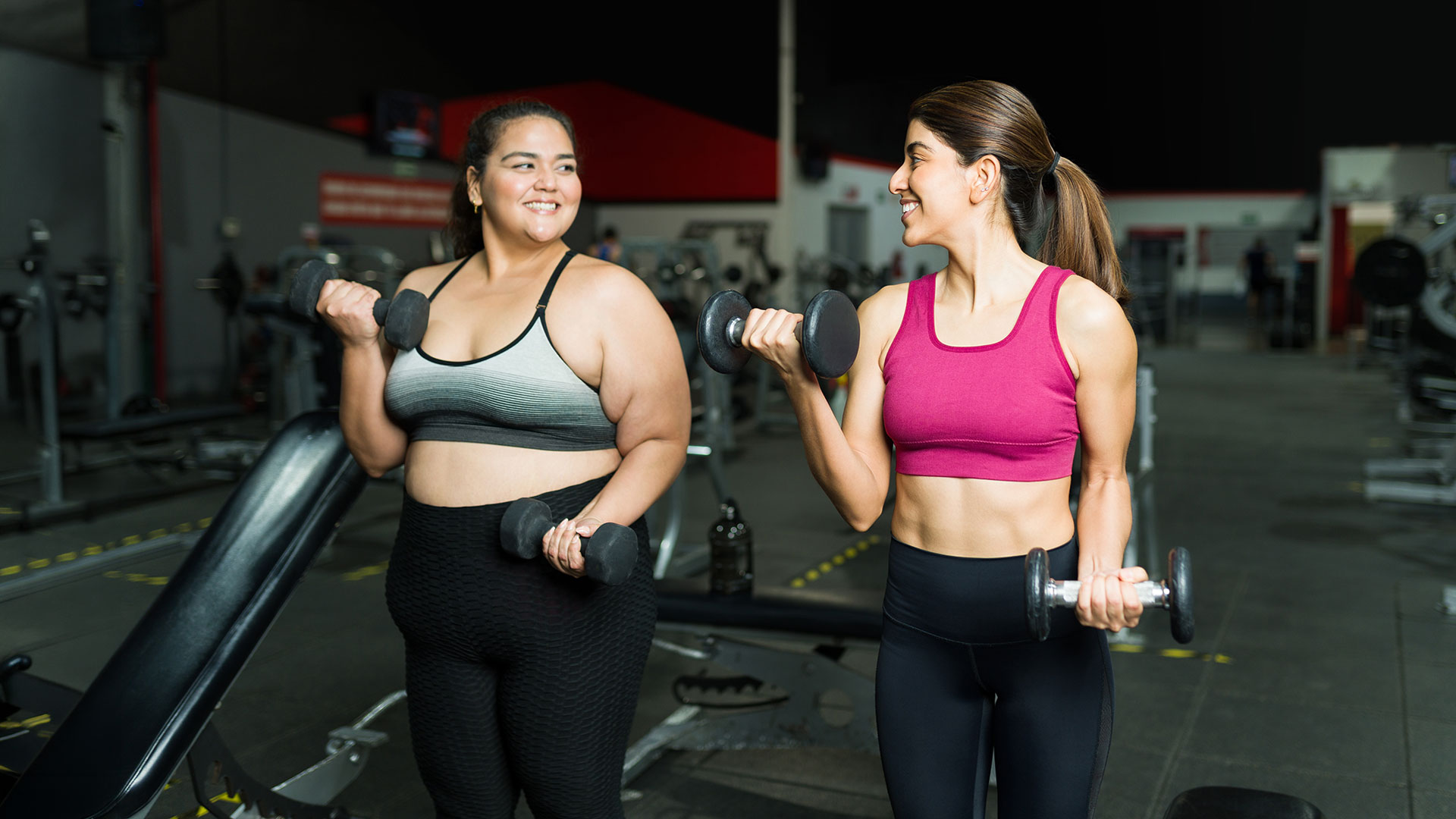
Strength training isn’t just about aesthetics – it’s one of the most important things women can do for long-term health, confidence, and wellbeing.
As women move through their 30s, 40s, and into menopause, natural hormonal changes affect muscle mass, bone density, metabolism, energy, and mood. Strength training is one of the most effective, realistic ways to support your body through these changes – helping you feel strong, resilient, and future-proofed.
1. Strength training supports hormones and menopause
From the late 30s onwards, oestrogen and progesterone gradually decline. During perimenopause and menopause, this can lead to:
- Loss of muscle mass
- Increased body fat
- Lower energy levels
- Sleep and mood changes
Strength training helps regulate blood sugar, maintain lean muscle, support metabolism, and improve energy – making hormonal transitions much more manageable. It’s a key tool for staying balanced, strong, and confident.
2. Lifting weights doesn’t make you bulky – it protects your body
Many women worry that lifting weights will make them bulky. The truth is women simply don’t have the testosterone levels needed to build large, bulky muscles naturally.
Instead, strength training adds a protective layer to your body:
- Supports joints and posture
- Improves balance and stability
- Reduces risk of injury
- Helps you stay strong through menopause and aging
It’s not about aesthetics – it’s about resilience, confidence, and future-proofing your health.
3. Strength training protects bone health
Declining oestrogen affects bone density, increasing the risk of osteoporosis. Weight-bearing and resistance exercises stimulate bone growth, strengthen your skeleton, and help prevent fractures later in life.
4. It maintains muscle and metabolism
Muscle naturally declines from our 30s onward, which can slow metabolism and make daily life harder. Strength training helps you maintain muscle, which supports:
- Energy levels
- Joint stability
- Healthy weight management
- Balance and coordination
Even two or three sessions per week can make a significant difference.
5. It improves mental wellbeing
Hormonal changes can affect mood, sleep, and confidence. Strength training releases endorphins, reduces stress, and builds a sense of accomplishment. Many women notice improved mental clarity, resilience, and body confidence after just a few weeks.
6. Strength training is about health, not just aesthetics
Fitness culture often focuses on how we look, but strength training is much more than that. It helps you:
- Prevent injuries
- Support posture and movement
- Stay active and independent
- Reduce risk of chronic illness
- Future-proof your body
It’s an investment in your long-term wellbeing, not a short-term fix.
7. You don’t need long or extreme workouts
Strength training can be simple, effective, and realistic:
- 2–3 sessions per week
- 20–30 minutes per session
- Focus on basic movements: squats, lunges, pushes, pulls, and core work
Consistency matters far more than intensity.
8. How to start safely
If you’re new to strength training:
- Begin with bodyweight or light weights
- Focus on good technique
- Allow proper rest and recovery
- Consider working with a qualified trainer
Small, steady progress is the key to long-term success.
Final Thoughts
Strength training is one of the most powerful ways women can support their bodies through hormonal changes, menopause, and beyond.
It’s not about chasing aesthetics – it’s about building strength, protecting your body, and future-proofing your health.
Start where you are, stay consistent, and choose movement that feels supportive. Your future self will thank you.


