
You’re doing everything right. Eating well. Moving your body. Getting your steps in. So why do you feel exhausted, foggy, and like your body has completely changed the rules on you overnight?
Here’s what nobody tells you: the nutritional needs of a woman in her 40s and 50s are genuinely different. Not slightly different – significantly different. Hormonal shifts during perimenopause affect how your body absorbs, stores, and burns through key nutrients. What served you well in your 30s simply isn’t enough anymore.
This isn’t about getting old. It’s about getting smarter with how you support yourself. And once you understand what your body is actually asking for, you can start giving it exactly that.
The Supplements Worth Taking Seriously
Vitamin D3 + K2
Most women in the UK are deficient – and in midlife, that matters more than ever. Vitamin D supports bone density, immune function, mood, and muscle strength. Pair it with K2 so the calcium goes where it’s supposed to – into your bones, not your arteries. Take it with a meal containing fat for best absorption.
Magnesium Glycinate
If I had to pick one supplement for women in perimenopause, this would be it. Magnesium is involved in over 300 processes in the body – sleep, stress, muscle function, energy production. Most of us are running low without knowing it. Take it in the evening. Your sleep will thank you. There are many other forms of magnesium, each with different benefits – but that’s a topic for another blog.
Protein
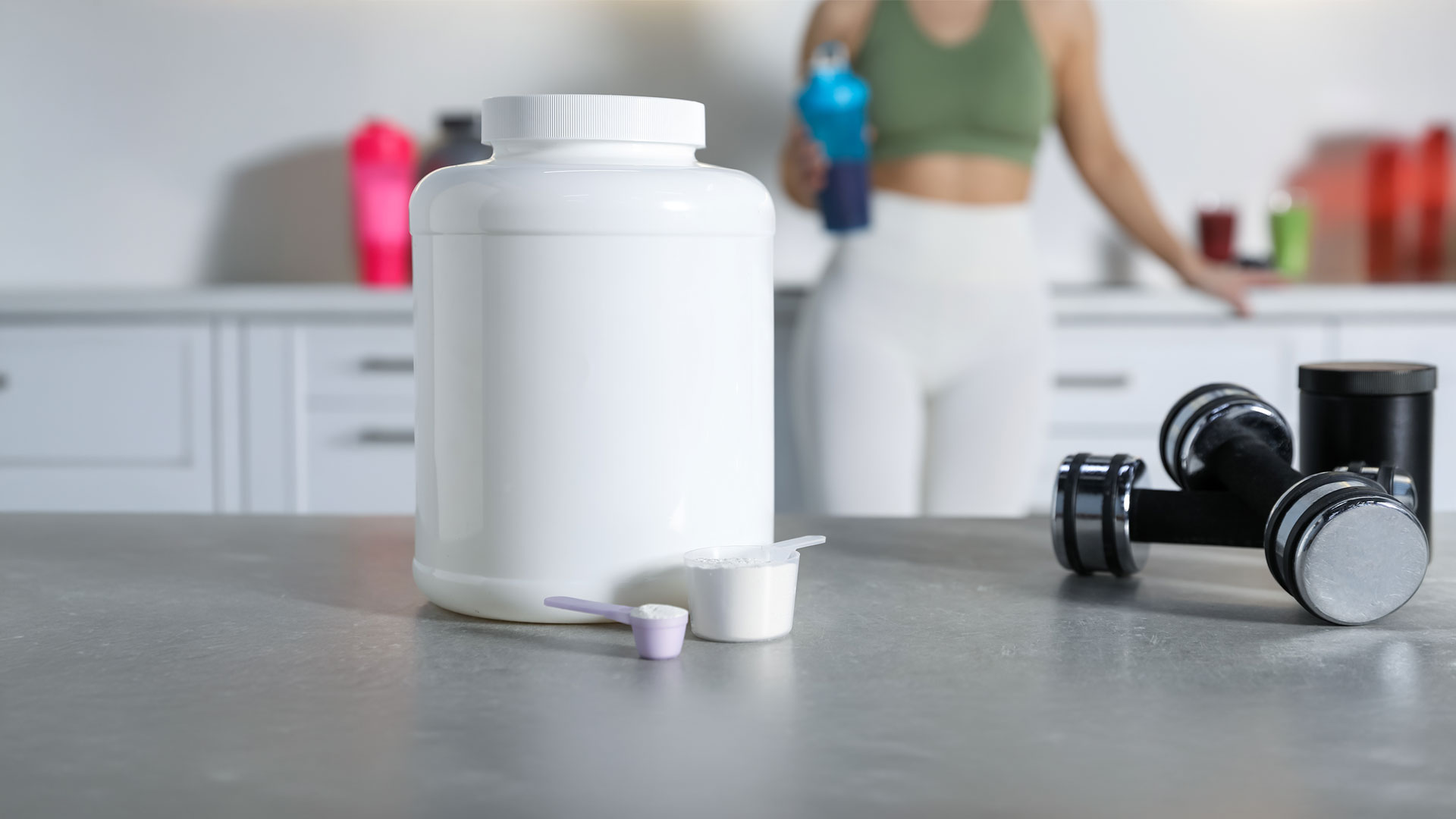
Getting enough protein becomes harder – and more important – as we get older. From your 40s onwards, your body becomes less efficient at using the protein you eat, which means you need more of it to maintain muscle mass, support recovery, and keep energy stable. Aim for 25-30g per meal through food first – eggs, meat, fish, Greek yoghurt, legumes – and use a quality protein supplement to top up if you’re consistently falling short. Whey is the most researched, but a good plant-based blend works well too.
Creatine
Once considered purely a gym supplement for men, creatine is having a well-deserved moment in the midlife women’s space – and for good reason. Research is increasingly showing its benefits for muscle strength, cognitive function, and even mood. As oestrogen declines, muscle mass and brain energy both take a hit – creatine supports both. A small daily dose (3-5g) is all that’s needed and it’s one of the most studied, safe supplements available. This one is worth taking seriously.
Omega-3 (EPA & DHA)
Brain fog, low mood, joint stiffness, cardiovascular risk – omega-3 addresses all of it. If oily fish isn’t a regular part of your diet, a quality fish oil or algae-based supplement is a straightforward win.
B Vitamins (B12 + B6)
Classic signs of depletion – fatigue, brain fog, low mood – are also classic signs of B vitamin deficiency. B12 absorption decreases with age. Stress burns through B6. A good B-complex supports energy at a cellular level and is one of the most underrated additions to a midlife supplement routine.
Calcium
Bone density loss accelerates significantly around menopause. Food sources first – dairy, leafy greens, fortified foods – then supplement if you’re consistently falling short. It only works properly alongside Vitamin D and K2, so don’t take it in isolation.
Collagen (Type I + III)
Oestrogen drives collagen production, so when oestrogen drops, your joints, skin, and connective tissue feel it. Hydrolysed collagen taken with Vitamin C can make a real, noticeable difference over time. This one takes patience, but it’s worth it.
Energy and Fatigue – What’s Actually Going On
If you’re exhausted despite sleeping, nutrition is often part of the story. Fluctuating blood sugar is one of the biggest – and most overlooked – drivers of midlife fatigue.
Prioritise protein at every meal. Aim for 25-30g per sitting. It stabilises your energy, protects muscle mass, and keeps you fuller for longer. Reduce ultra-processed foods that spike and crash your blood sugar within hours.
And if fatigue is a real issue, get your iron AND your ferritin checked – and yes, they are two different things. Serum iron shows what’s currently circulating in your blood, but ferritin tells you how much iron your body has in reserve. You can have “normal” iron levels and critically low ferritin at the same time, meaning your reserves are running on empty. Symptoms look exactly like classic midlife complaints: exhaustion, brain fog, hair thinning, breathlessness. No wonder it gets missed.
Here’s the frustrating part – many GPs only test serum iron and tell you everything looks fine. It isn’t always the full picture. Specifically ask for your ferritin to be tested. It’s a small thing that can make a big difference to understanding what’s actually going on in your body.
Heavier periods during perimenopause deplete iron stores faster than most women realise, so if your energy has taken a hit, this is absolutely worth investigating.
Gut Health – The Foundation Everything Else Sits On
Your gut microbiome shifts during midlife, and this affects nutrient absorption, mood, immunity, and even how your body processes oestrogen. It matters more than most people realise.
Aim for variety – 30 different plant-based foods per week is the goal. Include fermented foods like live yoghurt, kefir, or sauerkraut regularly. Hydrate consistently. And consider a quality probiotic if your diet has been limited or you’ve had antibiotics recently.
One More Thing – Test, Don’t Guess
Before adding a stack of supplements, get your levels checked. Vitamin D, B12, iron, and ferritin are a good starting point. Your GP can arrange basic blood tests, or a private blood test panel can give you a more detailed picture. Supplementing what you don’t need isn’t helpful – and some nutrients can cause issues in excess. Know your numbers first.
The Bottom Line
Midlife nutrition isn’t about restriction. It’s not about another diet or another set of rules. It’s about understanding that your body is going through a genuine physiological shift – and giving it the targeted support it needs to feel strong, energised, and like itself again.
Small, consistent changes add up to a big difference in how you feel, move, and function every single day.
Want More Like This?
I share real, no-fluff advice on midlife health, fitness, and feeling your best over on Instagram. Tips, insights, and honest conversations about what actually works for women in their 40s and 50s – come and join the community over there.
Follow me on Instagram @absolutefitnesswithlisa
Always consult your GP or a registered nutritionist before starting new supplements, particularly if you have any existing health conditions or are on medication.


